Choosing among the best SEO audit tools for small business is less about finding the scanner with the most checks and more about finding the problems that actually cost you traffic: pages Google cannot index, broken links on service pages, slow mobile templates and duplicate titles that confuse search results. A good audit turns a messy website into a short, ordered fix list. This guide compares seven audit options, from free Google tools to paid crawlers, on crawl limits, ease of use and real year-one cost.
📌 Short answer
Start with free Google Search Console for indexing problems, use Screaming Frog’s free version (up to 500 URLs) for a technical crawl, and pick SE Ranking if you want scheduled audits, rank tracking and keyword research in one affordable plan.
✔ Key takeaways
⏱ About 12 min read · the short version is right here
- Google Search Console is free and shows the indexing problems that matter most.
- Screaming Frog crawls up to 500 URLs free; a licence costs £199 a year for unlimited crawls.
- Seobility’s free plan audits 100 pages per crawl; Premium is €59.90 a month plus VAT.
- SE Ranking Core ($129 a month, $103.20 billed yearly) includes 250,000 audit pages a month plus rank tracking and research.
- An audit score is not a Google ranking factor. Fix indexing and broken pages before cosmetic warnings.
📋 In this guide
- Best SEO audit tools for small business: quick comparison
- What an SEO audit tool actually checks
- Start free: Search Console, Bing and PageSpeed
- SE Ranking: best all-in-one audit
- Screaming Frog: deep crawls on a budget
- Seobility: guided audits for one small site
- Ahrefs Free and Starter: audit with link data
- Semrush: when you need the full suite
- Sitebulb: explained, visual audits
- How to run your first audit in 6 steps
- Which issues to fix first
- Year-one cost by setup
- My take
Best SEO audit tools for small business: quick comparison
All seven options below can find real problems. The difference is how much they crawl, how clearly they explain fixes and what else is in the box.
| Tool | Best for | Free option | Paid from | Audit limit |
|---|---|---|---|---|
| SE Ranking | All-in-one SEO for small teams | 14-day trial | $129/mo ($103.20 yearly) | 250,000 pages/month |
| Screaming Frog | Deep technical crawls | Free to 500 URLs | £199/year | Unlimited (paid) |
| Seobility | Guided audit for one small site | Free, 100 pages | €59.90/mo + VAT | 25,000 pages per crawl |
| Ahrefs | Audit plus backlink data | Free for verified sites | Starter $29/mo, Lite $129/mo | Credit-based |
| Semrush | Full marketing suite | Limited free account | $139/mo ($117.33 yearly) | Plan-based |
| Sitebulb | Visual, explained audits | 14-day trial | Shown at checkout | Plan-based |
| Google Search Console | Google’s own indexing data | Free | Free | Not a crawler |
If you want the wider toolkit (keyword research, backlinks and content tools), my guide to the best SEO tools for small business covers it. This post focuses on one job: finding and fixing what is broken on your site.
What an SEO audit tool actually checks
An SEO audit tool crawls your site the way a search engine bot does, page by page, and flags anything that could stop pages from being found, understood or ranked. Most tools group findings into errors, warnings and notices, then give a health score. That score is a sorting aid only. Google does not use it, so do not chase 100 for its own sake.
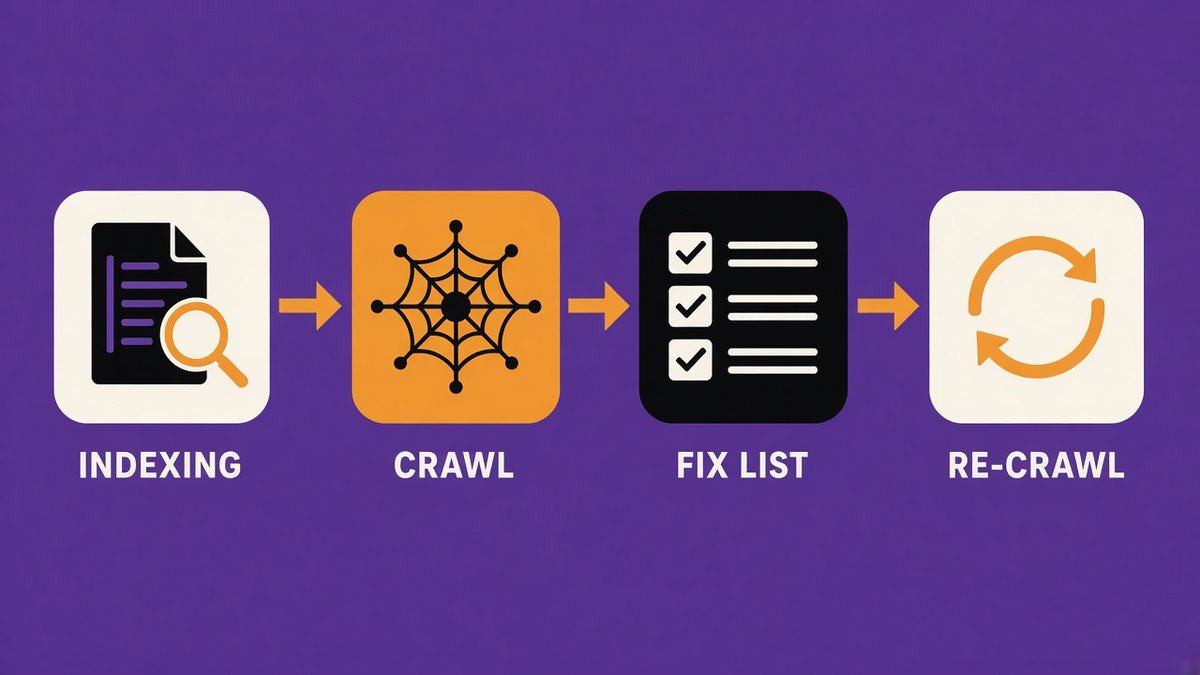
A common related search is “how to do an SEO audit for a small business”, and the honest answer is that a useful audit covers five areas. Every tool below checks most of them, but the free Google tools cover the first one better than any crawler.
| Area | What it catches | Why it matters |
|---|---|---|
| Indexing | Pages excluded, noindex tags, blocked by robots.txt | A page Google does not index cannot rank |
| Errors and redirects | 404s, redirect chains, server errors | Broken paths waste visits and link value |
| On-page basics | Missing or duplicate titles, meta descriptions, H1s | Confuses search results and lowers clicks |
| Speed and mobile | Slow templates, large images, layout shifts | Hurts mobile users and conversions |
| Structure | Orphan pages, deep pages, thin or duplicate content | Important pages get crawled less often |
Start free: Search Console, Bing and PageSpeed
Google Search Console is the first audit tool every small business should open. Its Pages report shows exactly which URLs Google indexed, which it excluded and why, and its Core Web Vitals report flags slow templates using real visitor data. No third-party crawler can see Google’s own index decisions.
Bing Webmaster Tools is also free and includes a Site Scan crawler, which is handy because Bing data also feeds several AI search assistants. Add PageSpeed Insights for page-level speed checks and you have a free audit stack that catches most serious problems on a site under 100 pages.
💡 Free first, paid second
Run Search Console’s Pages report before you buy anything. If it shows only a handful of excluded pages and no Core Web Vitals issues, a free crawler is probably all you need for now.
SE Ranking: best all-in-one audit
SE Ranking is my pick for most small businesses that want audits to run on their own. The Core plan costs $129 a month, or $103.20 a month billed yearly, and includes 250,000 audit pages a month across 10 projects. You can schedule re-crawls, so new broken links or noindex mistakes show up in your inbox instead of months later.
The audit explains each issue in plain English and groups it by priority, which matters when you are not a developer. The same plan also tracks 2,000 keywords daily, includes keyword, competitor and backlink research, and connects to Google Analytics and Search Console. That is why it often costs less than buying a crawler and a rank tracker separately. You can start an SE Ranking free trial (14 days) to audit your real site, and my SE Ranking review covers setup and limits in detail.
If you are weighing it against the bigger suites, I compare features and prices in SE Ranking vs Semrush and SE Ranking vs Ahrefs. For tracking positions after you fix things, see my roundup of the best rank trackers for small business.
Audit your site on autopilot
SE Ranking crawls up to 250,000 pages a month, schedules re-audits and adds rank tracking and keyword research. Try it free for 14 days.
Start the free SE Ranking trial →
Affiliate link. I may earn a commission at no extra cost to you.
Screaming Frog: deep crawls on a budget
Screaming Frog SEO Spider is the desktop crawler most SEO professionals use. The free version crawls up to 500 URLs and already finds broken links, redirects, duplicate titles, meta robots directives and missing headings. A paid licence costs £199 per user per year and removes the crawl limit, adds scheduling, JavaScript rendering, crawl comparison and integrations with Search Console and PageSpeed Insights.
For a small business site under 500 pages, the free version is genuinely enough for a one-off technical audit. The catch is that it gives you raw data, not a to-do list. You need to know which columns matter, so it suits owners who are comfortable with spreadsheets, or freelancers doing audits for clients.
⚠️ Desktop crawlers use your computer
Screaming Frog and Sitebulb run on your own machine. Large crawls need memory and a stable connection, and they only run when your computer is on, unless you set up scheduling on an always-on machine.
Seobility: guided audits for one small site
Seobility is a German, browser-based tool with a friendly guided audit. Its free Basic plan audits one project with 100 pages per crawl, which suits a small brochure site. Premium costs €59.90 a month plus VAT and covers 3 projects, 25,000 pages per crawl, automatic re-crawls and rank monitoring.
Seobility explains each issue with a short “why this matters” note and is popular with EU businesses that want a European vendor. It is lighter than SE Ranking on research data, so it fits owners who mainly want a clean, regular site check.
Ahrefs Free and Starter: audit with link data
Ahrefs Webmaster Tools (now part of Ahrefs Free) lets you run a site audit and see backlink data for sites you verify, at no cost. That is one of the best free deals in SEO if you own your site. Paid access starts with Starter at $29 a month for research and Lite at $129 a month for the full toolset, with audit crawls counted in credits on lower plans.
Ahrefs’ audit is strong and its link data is excellent, but the paid tiers get expensive as you add users and credits. For a single small business, the free verified-site audit plus Search Console is a powerful combination.
Semrush: when you need the full suite
Semrush includes a solid Site Audit inside a large marketing suite with keyword research, competitor ads, content and local tools. Its entry SEO plan costs $139 a month, or $117.33 a month billed yearly, and a limited free account lets you test a small audit. If you already pay for Semrush, use its audit before buying another tool.
If you are buying from scratch, many small businesses get the same everyday audit value for less. My list of Semrush alternatives for small business covers cheaper options.
Sitebulb: explained, visual audits
Sitebulb is a desktop and cloud crawler known for explaining every issue with clear hints and visual crawl maps. It offers a 14-day free trial; its plan prices are shown dynamically on the pricing page, so confirm the current figure in your currency. It sits between Screaming Frog’s raw data and a guided cloud tool, and is a favourite of freelancers who send audit reports to clients.
For a solo owner, Sitebulb is more than you need unless you plan to audit several sites a year. You can browse more SEO software comparisons in my Reviews & Tools section.
How to run your first audit in 6 steps
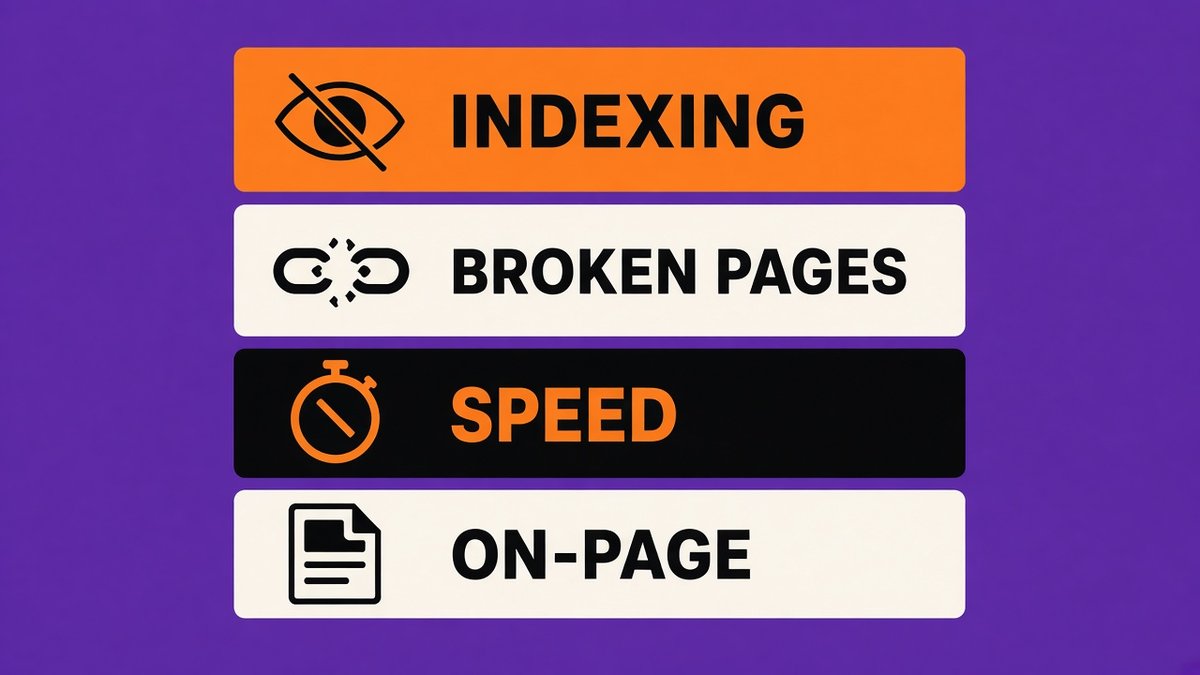
Check Search Console first
Open the Pages report and note every important URL marked “not indexed”, plus any Core Web Vitals issues on mobile.
Crawl the whole site
Run a crawl with Screaming Frog (free to 500 URLs), Seobility, Ahrefs Free or an SE Ranking trial. Use the mobile user agent.
Export errors to a sheet
List 404s, redirect chains, server errors, noindex tags and duplicate titles, one row per issue, with the affected URLs.
Mark money pages
Highlight service, product and landing pages that bring leads or sales. Their issues go to the top.
Fix, then re-crawl
Fix in batches, set redirects for removed pages, then re-crawl to confirm. Request indexing for key pages in Search Console.
Schedule the next audit
Set a monthly or quarterly re-crawl so new problems are caught early.
Another question people often search is “how often should you do an SEO audit”. For most small business sites, a full audit once a quarter is enough, with a lighter monthly check of Search Console. Run an extra audit after a redesign, a theme change, a migration or a big batch of new pages.
Which issues to fix first
Audit tools can list hundreds of warnings. Fix them in this order, and do not lose a week on items that never affect traffic.
| Priority | Issue type | Example |
|---|---|---|
| 1 – Now | Indexing blockers | Noindex on a service page, robots.txt blocking a folder |
| 2 – This week | Broken money pages | 404 or redirect loop on a product or landing page |
| 3 – This month | Speed and mobile | Huge hero images, layout shifts on mobile |
| 4 – Next | On-page basics | Duplicate titles, missing meta descriptions |
| 5 – Later | Cosmetic notices | Long URLs, minor HTML warnings |
📌 Landing pages deserve extra care
If you run ads or email campaigns to landing pages, audit those URLs separately for speed and mobile layout. My guide to the best landing page builders compares tools that produce fast, clean pages out of the box.
Local businesses should also check their Google Business Profile, local citations and location pages; my guide to local SEO for small business covers what an audit tool will not show you. Once the site is clean, pair the fixes with keyword research for small business and a simple quarterly SEO plan so new content targets the right terms.
Year-one cost by setup
| Setup | Tools | Approx. year-one cost | Good for |
|---|---|---|---|
| Free stack | Search Console + Bing + PageSpeed + Screaming Frog free | $0 | Sites under 500 URLs |
| Free guided | Seobility Basic or Ahrefs Free | $0 | One small verified site |
| Technical DIY | Screaming Frog licence | £199 | Freelancers, larger sites |
| Guided EU option | Seobility Premium | €718.80 + VAT | EU businesses, 1 to 3 sites |
| All-in-one | SE Ranking Core | $1,238.40 yearly ($1,548 monthly) | Audit + tracking + research |
| Full suite | Semrush SEO plan | About $1,408 yearly ($1,668 monthly) | Teams using many marketing tools |
💡 Compare what you replace
An all-in-one plan looks expensive next to a free crawler, but if it replaces a separate rank tracker and research tool, the gap closes quickly.
My take
The best SEO audit tools for small business are the ones you will actually run every month. If your site is small and you are happy with spreadsheets, Search Console plus Screaming Frog’s free version costs nothing and catches the problems that matter. If you want a friendly European tool for one site, Seobility is a good fit.
If you want audits that run on their own, explain fixes in plain English and sit next to rank tracking and keyword research, SE Ranking is the best value for most small businesses and small agencies. Whatever you choose, fix indexing and broken money pages first, re-crawl after every fix, and keep the audit on a schedule.
📝 About this guide: Written for small businesses, local service companies, online shops, freelancers and small agencies in the US, UK and Europe. Prices and plan limits were checked on each vendor’s official pricing page in late November 2026 and are shown in US dollars, pounds or euros as the vendor lists them, before VAT or sales tax. Some pricing pages load prices dynamically and plans change often, so confirm the current price before you buy. I update this guide when a plan changes.
Frequently Asked Questions
What are the best SEO audit tools for small business?
For most small businesses, SE Ranking is the best all-round choice for most owners because its Core plan includes scheduled audits of up to 250,000 pages a month plus rank tracking and keyword research. If you need a free option, combine Google Search Console with Screaming Frog’s free version.
Is there a free SEO audit tool?
Yes. Google Search Console and Bing Webmaster Tools are free, Screaming Frog crawls up to 500 URLs free, Seobility’s free plan audits 100 pages per crawl, and Ahrefs Free audits sites you verify.
How often should a small business do an SEO audit?
A full audit every quarter plus a quick monthly Search Console check is enough for most small sites. Run an extra audit after a redesign, migration or theme change.
Does an SEO audit score affect Google rankings?
No. The health score is the tool’s own sorting aid. Google ranks pages, not audit scores, so focus on indexing, broken pages, speed and content quality.
Is Screaming Frog free?
Yes, up to 500 URLs per crawl. A licence costs £199 per user per year and removes the limit and adds scheduling, JavaScript rendering and integrations.
Can I do an SEO audit myself without an agency?
Yes. With Search Console and one crawler you can find most issues yourself. Fix indexing blockers and broken money pages first, and hire help only for complex technical problems.
Affiliate disclosure: some links in this post are affiliate links, so I may earn a commission at no extra cost to you. I only recommend tools I’d use myself.