The future of SEO is already here. Google now answers many searches with AI Overviews, people ask ChatGPT, Perplexity and Gemini for recommendations, and more searches start on TikTok, YouTube and Reddit than ever before. Yet search engine optimization is not dying. It is changing from a game of keywords and links into a test of trust, expertise and usefulness. In this guide, I explain the SEO trends to watch in 2026 and beyond, what they mean for small business websites and blogs, and a simple seven-step plan to future-proof your traffic.
✔ Key takeaways
- AI search (Google AI Overviews, ChatGPT search, Perplexity) is the biggest change in SEO since mobile.
- Clicks are harder to win, so being cited and remembered as a brand matters as much as ranking #1.
- E-E-A-T, real first-hand experience and clear authorship are now core ranking signals.
- Technical basics still matter: fast pages, mobile-first design, clean structure and schema markup.
- Search is spread across Google, YouTube, TikTok, Reddit and AI chat, so publish where your audience looks.
- Small businesses win with focused topics, original insights and local trust signals.
📋 In this guide
What the future of SEO looks like
For twenty years, SEO meant a fairly simple loop: find a keyword, write a page, earn some links and climb Google’s ten blue links. That loop still works, but it is no longer the whole story. Search engines now use large language models to read pages, understand intent and write answers directly on the results page. AI assistants pull facts from websites they trust and sometimes link to them as sources.
So the future of SEO is less about tricking an algorithm and more about being the best, most trustworthy answer on a topic. If you are new to the basics, start with my beginner guide to SEO and come back here for what is changing next.
📌 Quick definition
Search engine optimization (SEO) is the work of making your website easy to find, understand and trust for search engines and AI assistants, so the right people discover it when they search.
9 SEO trends to watch in 2026 and beyond
1. AI Overviews and AI search engines
Google’s AI Overviews appear above the normal results for many informational searches in the US, UK and much of Europe. ChatGPT search, Perplexity, Microsoft Copilot and Gemini give full answers with a few cited sources. This is often called generative engine optimization (GEO) or answer engine optimization (AEO).
To be cited, write clear, direct answers near the top of each section, use descriptive headings, add facts and numbers people can quote, and keep pages up to date. Pages that are vague or padded rarely get picked.
2. Zero-click searches and brand visibility
More searches end without a click because the answer is shown on the page. That hurts sites that only publish simple definitions. The response is to target questions that need depth, such as comparisons, how-to guides, tools and local services, and to build a brand people search for by name. Branded searches are a strong sign of trust and are hard for AI answers to replace.
3. E-E-A-T and first-hand experience
Google’s quality guidelines focus on Experience, Expertise, Authoritativeness and Trust. In practice that means showing who wrote the page, why they know the topic and what they tested or did themselves. Add your own photos, screenshots, results, prices you actually paid and mistakes you made. Generic AI-written content without real experience is exactly what recent core updates have pushed down.
4. Helpful content over keyword stuffing
Search engines now understand topics and intent, not just exact words. One strong page that fully answers a question beats five thin pages targeting small keyword variations. Focus on search intent first: does the searcher want to learn, compare, buy or find a local business? Then match the page format to that intent. My guide to keyword research for small business shows how to find the right topics.
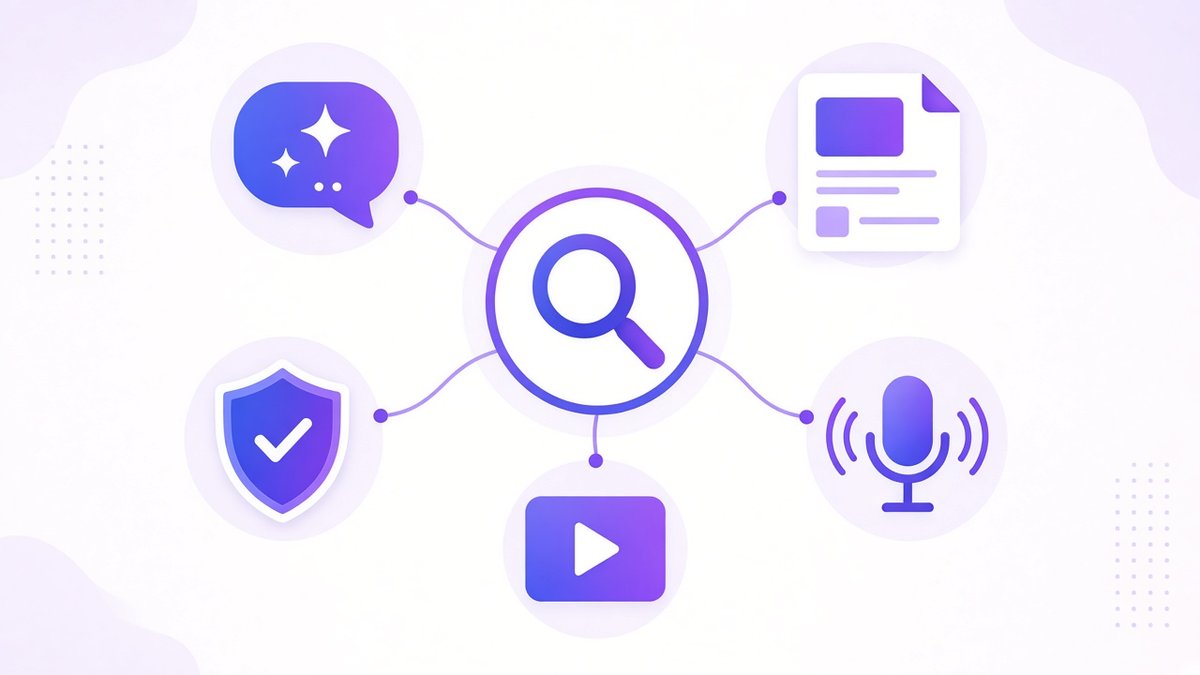
The future of SEO: AI answers, trust signals, video and voice all now shape how people find websites.
5. Video, images and multimodal search
Google Lens, circle-to-search and video results mean people search with their camera and expect visual answers. Short videos, clear diagrams, original images with descriptive alt text and image filenames all help your content appear in more places. YouTube remains the second biggest search engine in the world, so a short video that supports a key article is a smart move.
6. Search everywhere: social, forums and marketplaces
Younger users often search TikTok or Instagram first, and Google surfaces Reddit and Quora threads for many questions. Future-proof SEO means having a presence where your audience asks questions, answering genuinely in communities and making sure your brand name appears in those conversations. Mentions on trusted sites help AI tools recognise your brand too.
7. Technical SEO and Core Web Vitals
AI does not replace the basics. Pages still need to load fast, work well on phones, pass Core Web Vitals (LCP, INP and CLS), use HTTPS and be easy to crawl. Google uses mobile-first indexing for every site, so your mobile page is the version that counts. My step-by-step guide to an SEO-friendly website covers the essentials.
8. Structured data and entities
Schema markup such as Article, FAQPage, Product, LocalBusiness and Review helps search engines and AI systems understand what a page is about and who is behind it. Consistent business details (name, address, phone), an About page and author profiles connect your site to a clear entity in Google’s Knowledge Graph.
9. Voice and conversational search
Voice assistants and AI chat have made searches longer and more conversational, such as “what is the best accounting software for a freelancer in the UK”. Use natural question headings, short answer paragraphs and FAQ sections. These formats help with voice answers, featured snippets and AI citations at the same time.
💡 Small business advantage
Big brands struggle to show real, local, first-hand experience at scale. A small business that shares honest stories, local knowledge and specific advice can out-rank much larger sites for focused topics.
Old SEO vs future-proof SEO
| Old SEO habit | Future-proof SEO approach |
|---|---|
| Targeting one exact keyword per page | Covering a topic fully and matching search intent |
| Publishing lots of short posts | Fewer, deeper pages with original insight |
| Buying or swapping backlinks | Earning mentions with useful data, tools and guides |
| Anonymous content | Named authors with real experience and credentials |
| Only tracking Google rankings | Tracking rankings, AI citations, brand searches and conversions |
| Text-only pages | Text plus original images, diagrams and short video |
How to future-proof your SEO in 7 steps
You do not need a big budget to prepare for the next wave of search changes. Follow these steps over the next few months.
Audit what already works
Open Google Search Console, sort pages by clicks and impressions, and note which queries bring traffic. Protect and improve these pages first.
Pick 3 to 5 core topics
Choose topics closely tied to what you sell. Build a main guide for each topic and link supporting articles to it. This topic cluster structure shows depth.
Add real experience to every page
Include your own examples, numbers, screenshots, case studies and opinions. Add an author box and a clear About page.
Write answer-first sections
Start each section with a one or two sentence answer, then explain. Use question headings and a short FAQ so AI systems and featured snippets can quote you.
Fix technical basics
Check page speed, mobile layout, broken links and indexing issues. Add schema markup through your SEO plugin, such as Yoast or Rank Math.
Build brand and mentions
Share useful content on LinkedIn, YouTube or relevant communities, collect reviews and get featured on trusted sites in your niche. Mentions matter as much as links.
Measure and update every quarter
Track rankings, clicks, conversions and branded searches. Refresh pages that slip, update dates only when you change real content, and remove or merge pages that add no value.
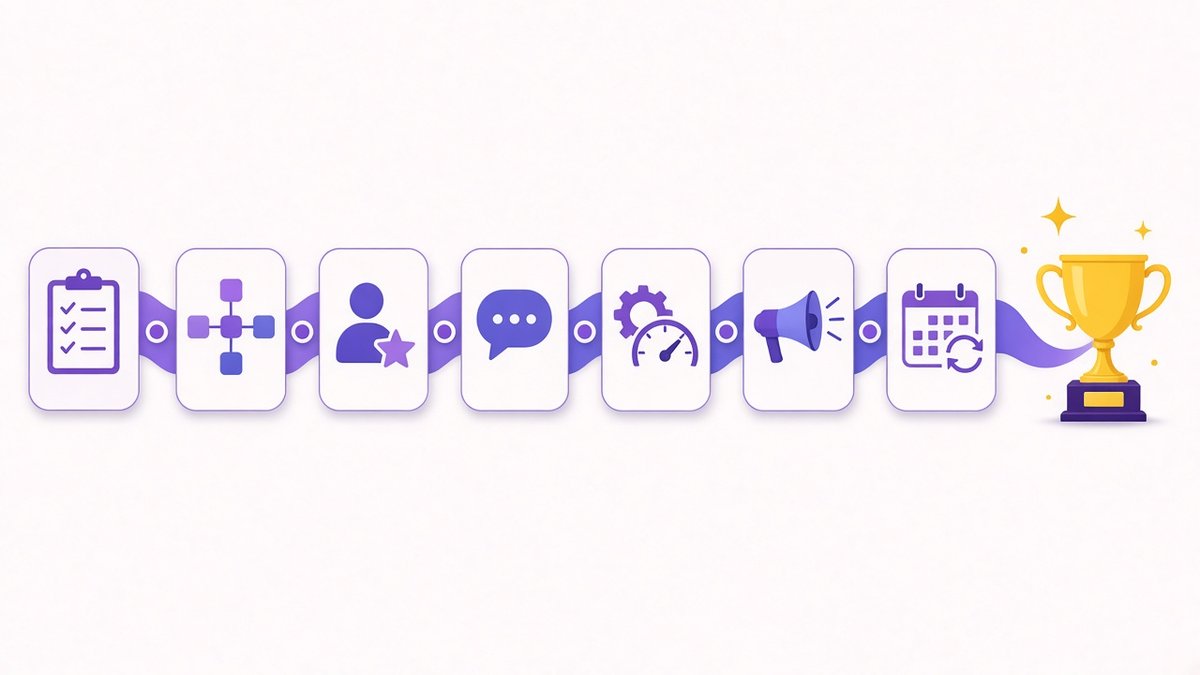
A simple seven-step plan to future-proof your SEO and keep traffic growing.
⚠️ Do not panic-publish AI content
Mass-producing AI articles to cover every keyword is risky. Google’s spam policies target scaled content abuse. Use AI to research and draft, then add your own expertise and edit carefully.
Tools to track SEO changes
Free tools cover a lot. Google Search Console shows your queries, clicks and indexing problems. Google Analytics shows what visitors do. PageSpeed Insights checks Core Web Vitals, and Google Trends shows rising topics.
When you want to track many keywords daily, watch competitors and run site audits in one place, a paid tool saves hours. I use SE Ranking because it is far cheaper than Semrush or Ahrefs for small sites, includes rank tracking, a site audit and keyword research, and now tracks visibility in Google AI Overviews too. If you are comparing options, see my list of Semrush alternatives for small business.
| Tool | Best for | Cost |
|---|---|---|
| Google Search Console | Queries, clicks, indexing | Free |
| PageSpeed Insights | Core Web Vitals and speed | Free |
| Google Trends | Rising topics and seasonality | Free |
| SE Ranking | Rank tracking, audits, AI Overview tracking, competitors | Paid, 14-day free trial |
Mistakes to avoid
- Chasing every algorithm rumour: focus on helpful content and solid basics instead of quick hacks.
- Ignoring old content: outdated posts lose trust. Update facts, years and screenshots regularly.
- Writing for bots, not people: keyword-stuffed text reads badly and converts poorly.
- Hiding the author: anonymous pages struggle to show expertise and trust.
- Measuring only traffic: leads, sales and brand searches matter more than raw visits.
Frequently Asked Questions
What is the future of SEO?
The future of SEO is a mix of traditional rankings and AI-driven search. Search engines and AI assistants reward clear, trustworthy, experience-based content, strong technical basics and recognisable brands. Websites that answer real questions better than others will keep winning traffic and citations.
Will AI replace SEO?
No. AI changes how results are shown, but AI tools still need trustworthy websites to learn from and cite. SEO is evolving to include generative engine optimization, which means making your content easy for AI systems to understand, quote and link to.
What are the biggest SEO trends for 2026?
The main SEO trends are AI Overviews and AI search, zero-click results, E-E-A-T and first-hand experience, helpful content updates, video and visual search, search across social platforms, Core Web Vitals, structured data and conversational queries.
Is SEO still worth it for small businesses?
Yes. SEO remains one of the most cost-effective ways to get steady leads. Small businesses can win with focused topics, local SEO, genuine reviews and specific advice that large brands rarely publish.
How do I optimize for AI Overviews?
Answer questions directly near the top of each section, use clear headings, add facts, data and examples, keep content updated, use schema markup and build authority with real author information and mentions on trusted sites.
How often should I update my SEO strategy?
Review your results monthly in Google Search Console and do a deeper review every quarter. Major Google core updates happen a few times a year, so check your traffic after each one and improve pages that drop.
Final thoughts
The future of SEO belongs to websites that are genuinely useful, clearly written and backed by real experience. AI search, zero-click results and new platforms change where people find answers, but they all reward the same thing: the most trustworthy answer. Keep your technical basics solid, show who you are, cover your core topics in depth and measure what matters.
Start this week: open Google Search Console, pick your three most important pages and improve them with clearer answers, fresh examples and an FAQ. For more practical tactics, read my tips for ranking higher on Google.
Track your SEO and AI visibility with SE Ranking
See your rankings, site health and Google AI Overview mentions in one simple dashboard. Try it free for 14 days.
Start your free SE Ranking trial →
Affiliate link. I may earn a commission at no extra cost to you.
Affiliate disclosure: some links in this post are affiliate links, so I may earn a commission at no extra cost to you. I only recommend tools I’d use myself.